

BEE VENOM COLLECTOR
Client Project | Industrial Design & Additive Manufacturing
The Project
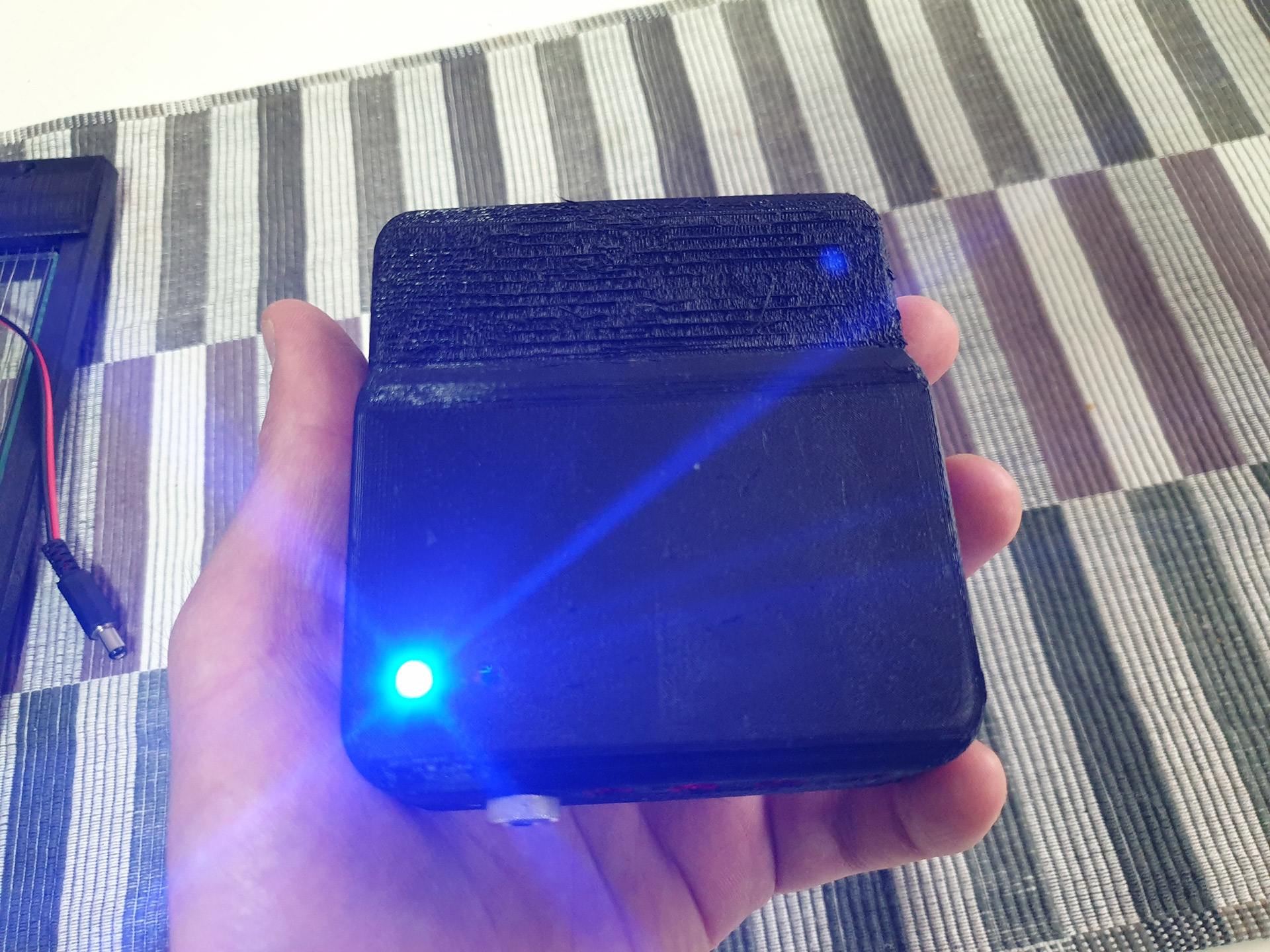
Serbia is a global leader in beehive density, and bee venom is an increasingly valued resource in the pharmaceutical industry. The objective of this project was to transform a client’s functional but rudimentary 3D-printed prototype into a professional, market-ready device. A primary requirement from the client was to utilize Additive Manufacturing (3D printing) as the sole production method to bypass expensive tooling costs and remain cost-effective for specialized, small-series production.
The Solution
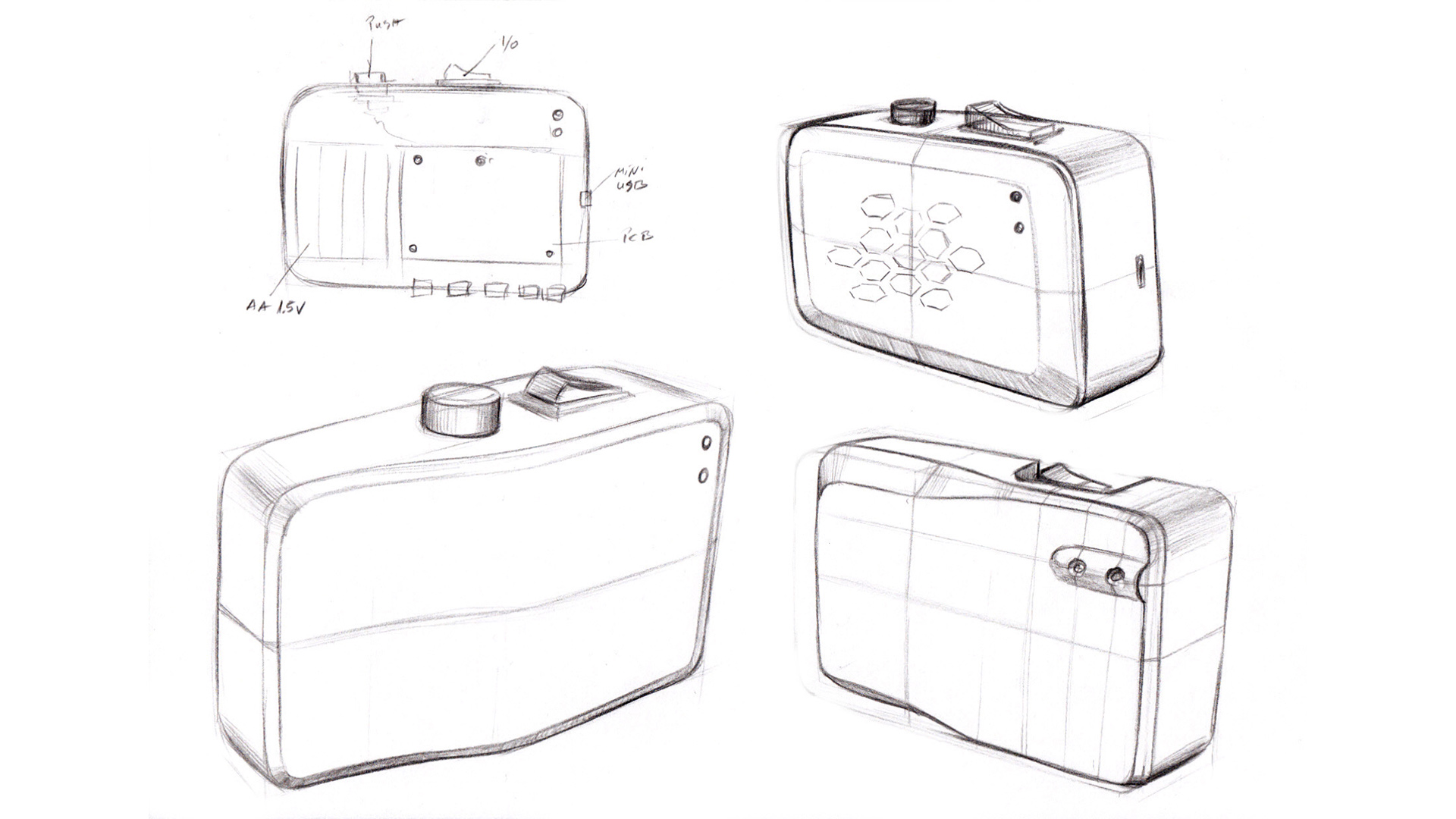
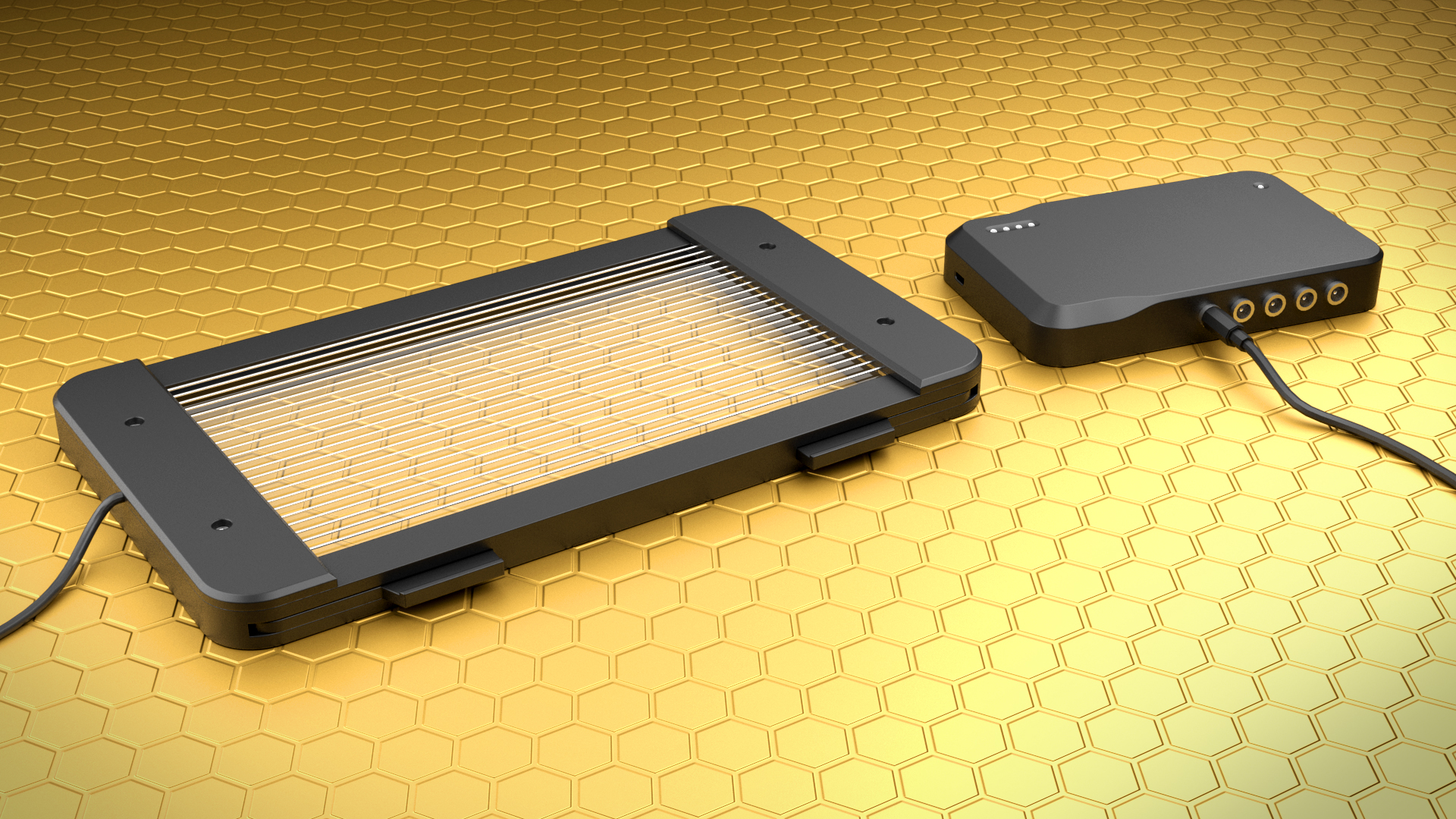
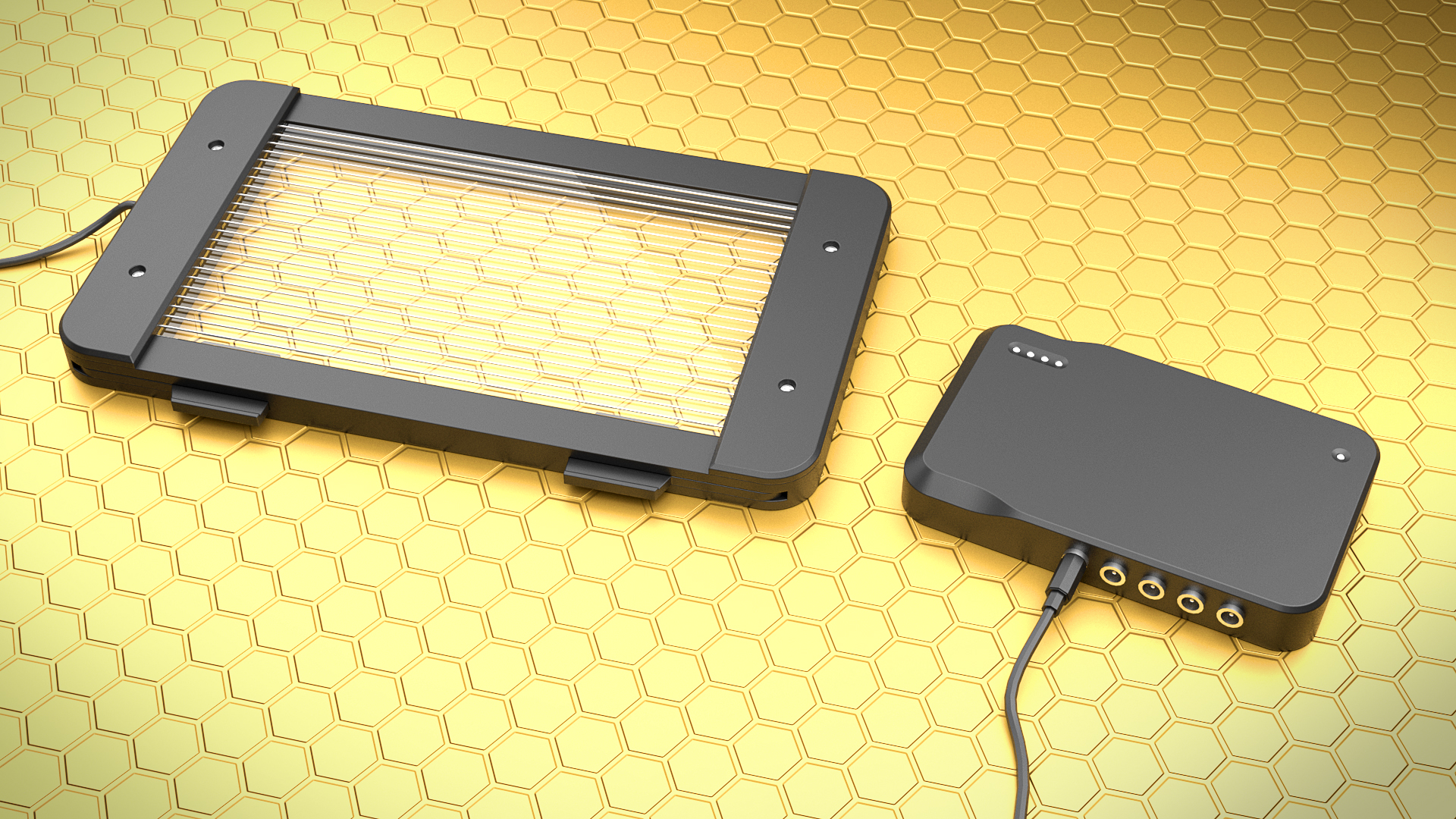
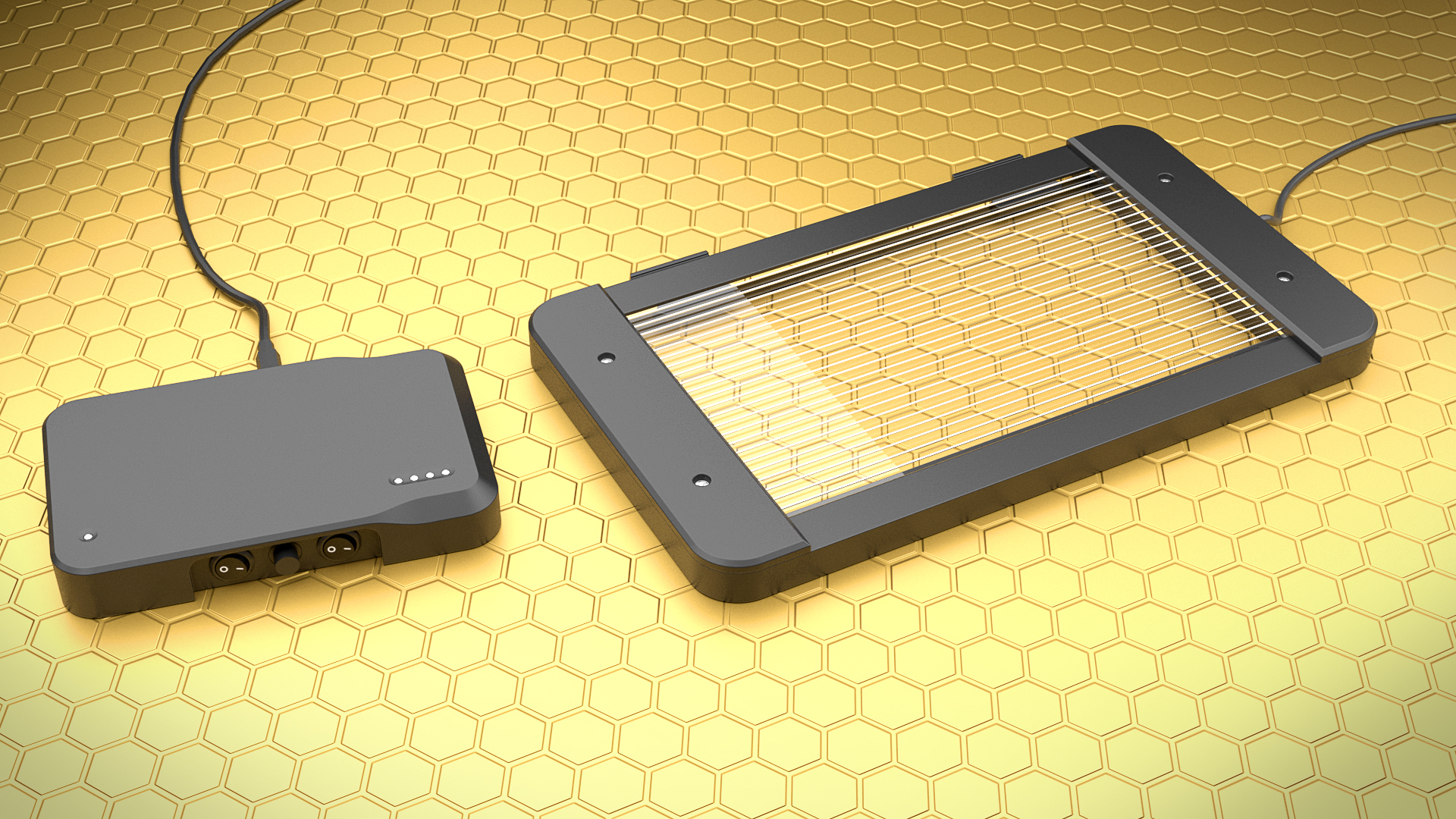
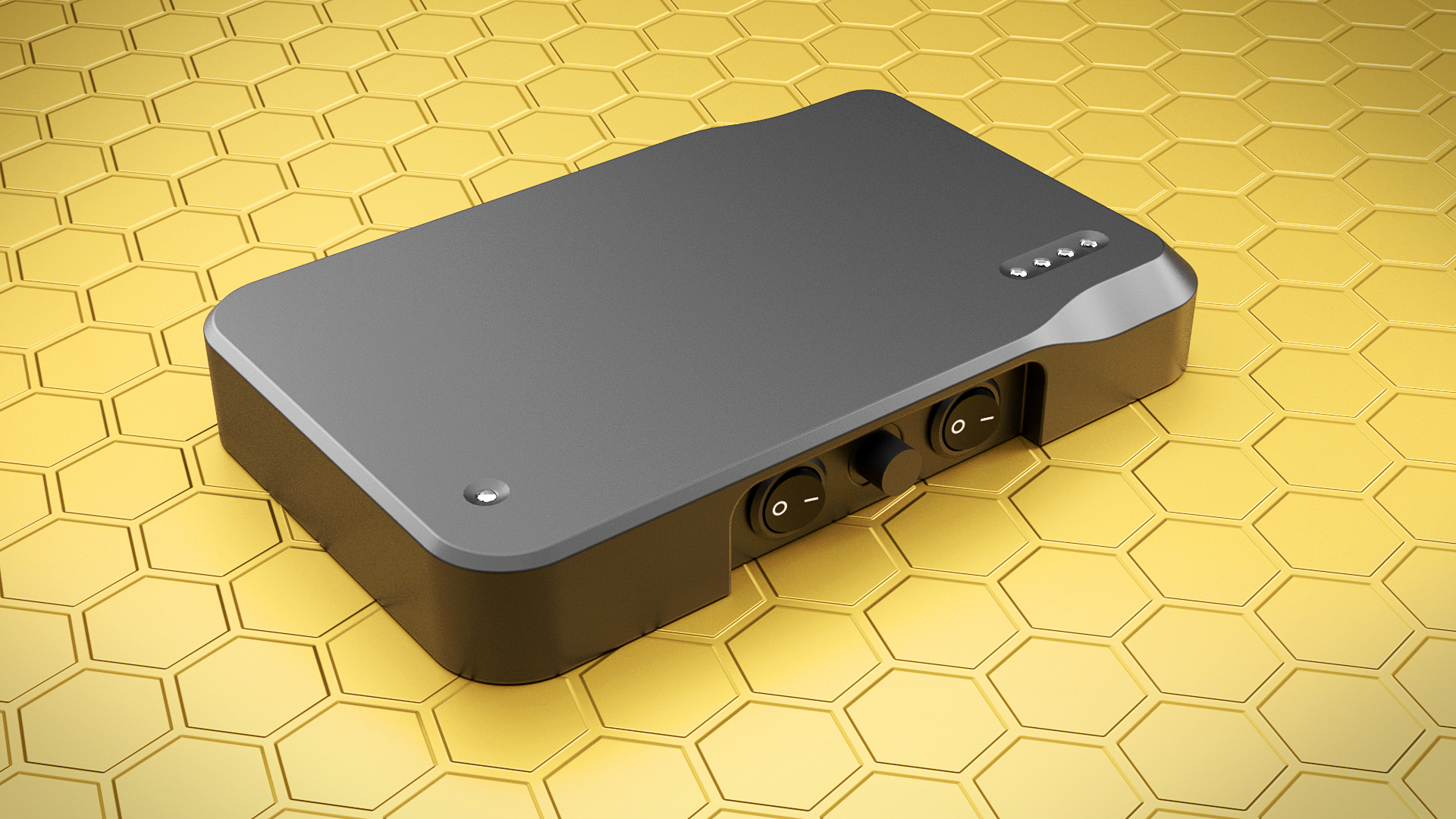
Djordje took the core technical components and developed a rugged, modular industrial design tailored for clean 3D printing. The housing for the control unit was developed in Autodesk Alias, where Djordje applied Le Corbusier’s Modulor system to ensure the device’s geometry is based on the Golden Ratio.
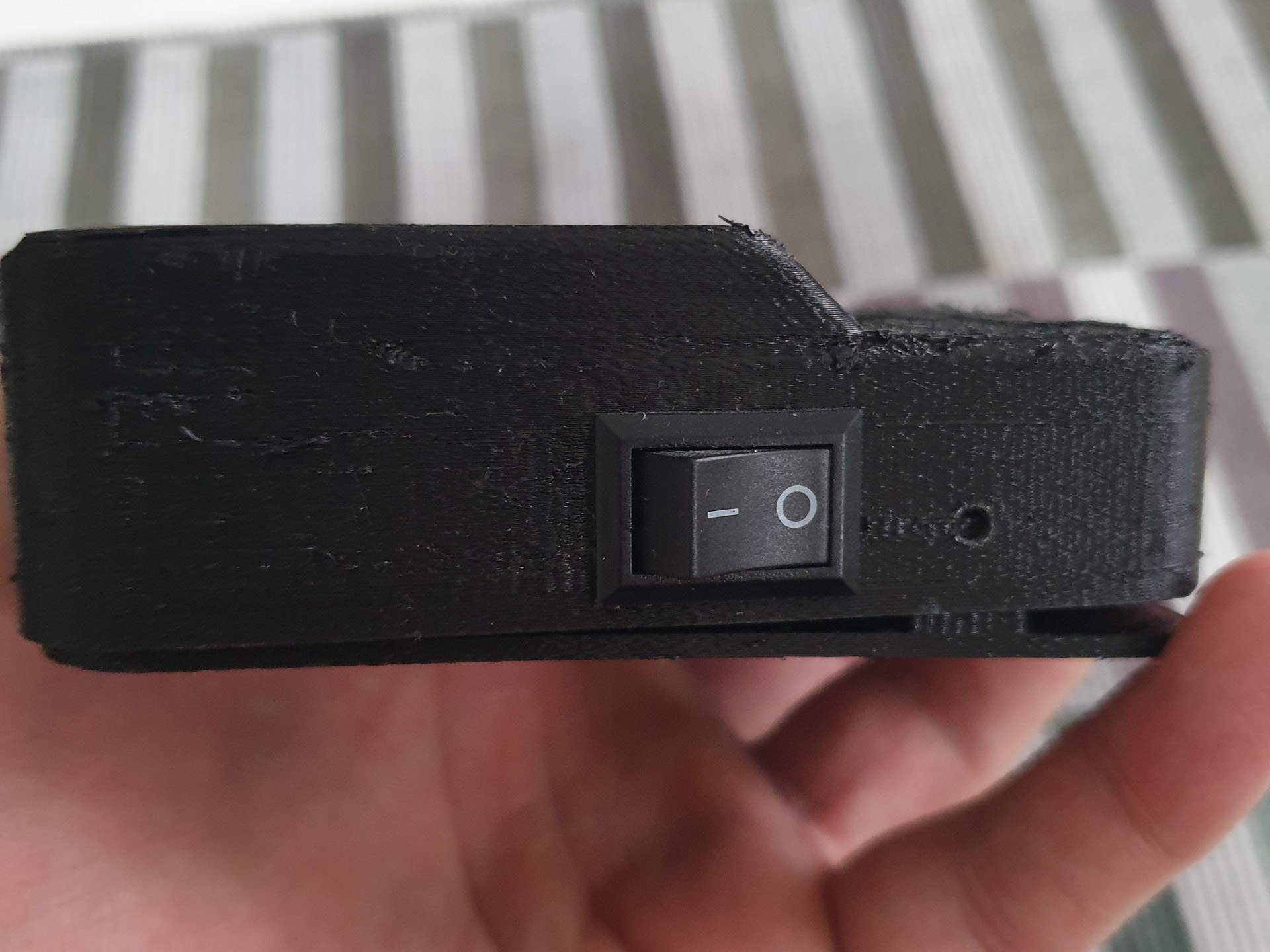
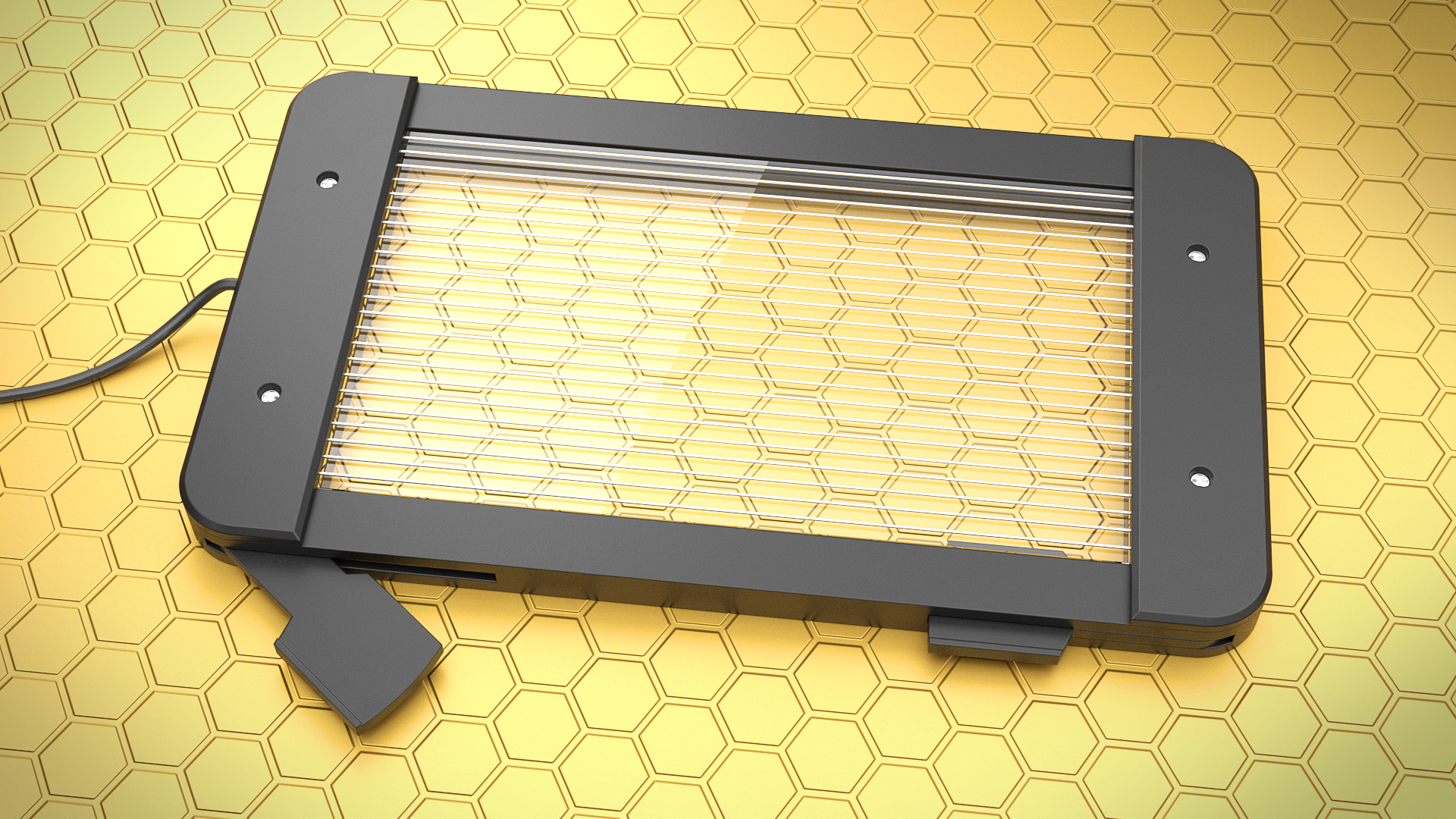
Beyond aesthetic geometry, the design optimized the layout to accommodate a new lithium rechargeable battery and an updated user interface featuring three control buttons and four LED status indicators, transforming the base functional unit into a cohesive product. A significant functional innovation was the complete redesign of the collection frames, introducing a ergonomic quick-release handle system that allows beekeepers to remove venom-coated glass safely and efficiently.
Key Features
- DfAM (Design for Additive Manufacturing): Every component was engineered specifically for 3D printing, ensuring structural integrity and a professional finish without traditional industrial tooling.
- Proportional Design (Modulor): The control unit’s geometry is defined by the Golden Ratio, utilizing Le Corbusier’s Modulor system for a balanced and ergonomic form.
- Technical Surfacing (Autodesk Alias): Precision modeling to ensure industrial-grade surface quality and a perfect fit for all 3D-printed parts.
- Ergonomic Frame Innovation: A redesigned collection frame with a quick-release handle system, allowing for safe glass removal in demanding field conditions.
- Updated Interface Layout: Optimization of the internal and external housing to integrate new controls, including three buttons and four status LEDs.


Field Testing & Functional Validation